Essential Guide to Pressure Cleaning Colorbond Fencing
Colorbond steel fencing remains a premier choice for homeowners throughout Cairns, offering exceptional durability, privacy, and wind resistance against tropical weather systems. However, the unique microclimate of Far North Queensland presents ongoing challenges for coated metal surfaces. High relative humidity, persistent monsoonal rains, sea breezes, and red volcanic dust combine to accelerate the accumulation of grime, mould, and lichen. Preserving the aesthetic appeal and protective baked-on finish of your fencing requires specific maintenance practices tailored to the Cairns environment.
Understanding Colorbond Care in the Cairns Climate
Unlike porous masonry or concrete surfaces, Colorbond steel features an advanced multi-layer coating system over a metal substrate. Applying unchecked, excessive water pressure can strip the clear finish, compromise the factory-cured paint, and void manufacturer warranties. In Cairns suburbs—from Palm Cove down to Gordonvale—fences often develop unsightly black mould and green microalgae patches along the lower plinths and shaded rail sections. The goal of cleaning Colorbond is not to blast away surface layers, but rather to break the biological bond of organic spores and rinse the debris away safely.
Pressure Cleaning vs. Soft Washing: The Proper Approach
The standard methodology for exterior metal cleaning prioritises soft washing techniques enhanced by controlled low pressure. Utilizing a standard commercial pressure washer with an aggressive turbo head or pencil nozzle will inevitably cause permanent gouges, micro-fissures, and streaking across the panels.
To safely clean a Colorbond fence:
- Perform an Initial Rinse: Wet down panels using a wide 40-degree spray nozzle at a pressure setting below 1,200 PSI to remove loose surface dirt and cooling red dust.
- Apply Biodegradable Detergent: Use a low-pressure chemical injector to apply a mild, pH-neutral detergent or specialised anti-microbial wash formulated to eradicate tropical mould spores.
- Allow Dwell Time: Permit the cleaning solution to sit for 10 to 15 minutes, ensuring the solution does not dry under the hot Cairns sun.
- Agitate Heavily Soiled Areas: Gently scrub stubborn sap, bird droppings, or salt crusts with an ultra-soft microfibre wash broom or soft-bristled brush.
- Low-Pressure Thorough Rinse: Wash away all detergent residue systematically from the top rail downward using smooth, overlapping horizontal passes.
Mistakes to Avoid When Cleaning Metal Fencing
Improper cleaning techniques can permanently degrade fence coatings, prompting premature oxidisation and corrosion, especially in coastal corridors exposed to airborne marine salts.
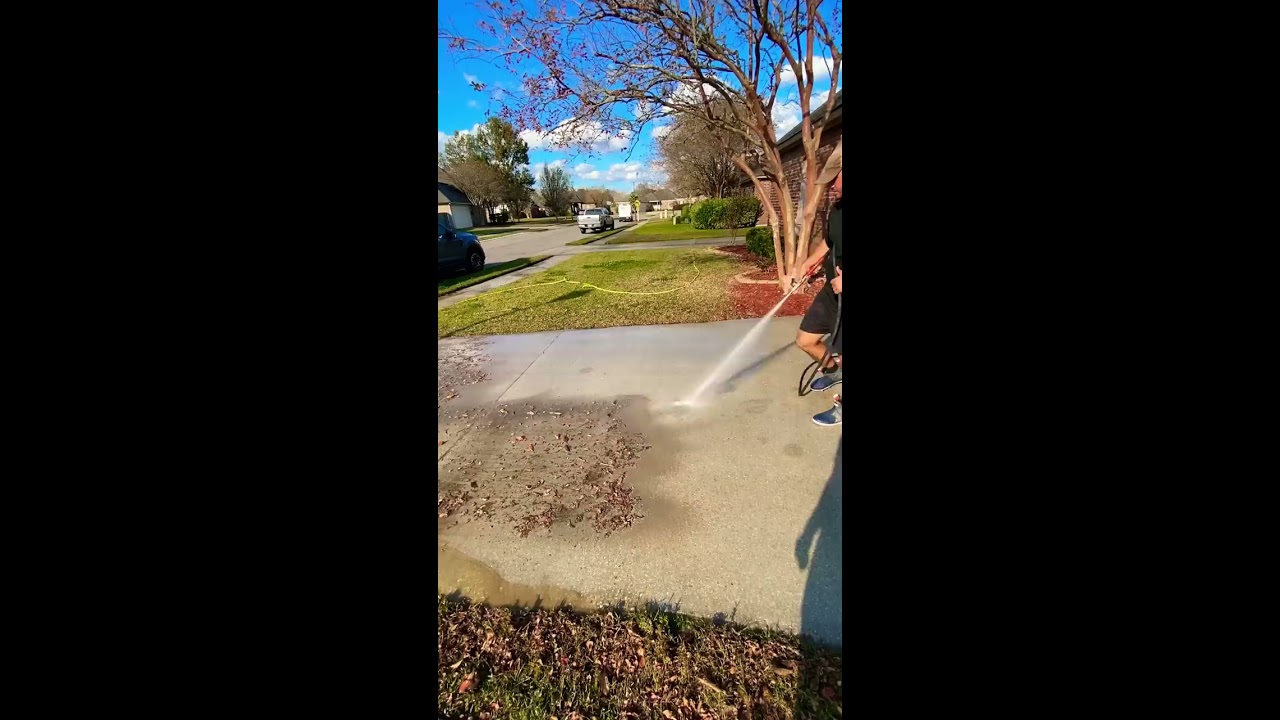
- Using Abrasive Cleaners: Avoid harsh acids, solvent-based solutions, or industrial degreasers that strip the protective UV-stabilised coating.
- High-Pressure Blasting: Operating pressure machinery above 1,500 PSI risks denting thin-gauge steel panels and dislodging fence capping or bottom rails.
- Holding the Nozzle Too Close: Maintain a minimum clearance of 30 to 45 centimetres between the spray tip and the steel surface to distribute pressure evenly.
- Neglecting Bottom Rails: Failing to clean out leaf litter, wet mulch, and dirt trapped along the bottom rail traps moisture, accelerating premature rust at ground level.
Recommended Maintenance Schedules for Tropical Environments
Under Cairns conditions, property owners should execute a complete surface washdown at least twice annually. Scheduling a comprehensive cleaning right after the end of the wet season removes embedded humidity-driven mould before the dry heat bakes it onto the paint. A secondary rinse before the cyclone season removes accumulated organic debris, ensuring fence https://pressurecleaningcairns.com.au/commercial-pressure-cleaning/ structures stay balanced, clear, and well-maintained year-round.

Expert Pressure Cleaning Cairns
(07) 4058 8889